
Get started with MonoDuty MCP: connection, permissions and first checks
Connect a compatible AI assistant, choose the right workspace and start with a read-only check.
How to verify alert delivery after a MonoDuty MCP setup
Separate resource readiness from a controlled test of incidents, recipients and recovery.
Lost a MonoDuty MCP secret URL or timed out during creation?
Handle one-time Heartbeat and Webhook credentials without creating duplicate resources.
Use MonoDuty MCP to monitor a public API and a scheduled job
A practical workflow for reviewing targets, creating resources and checking when monitoring actually starts.
MonoDuty MCP permissions: why read access cannot create or manage resources
Understand separate OAuth permissions and when to reconnect or use the dashboard approval workflow.
MonoDuty MCP connection troubleshooting: sign-in, workspace and access
Check endpoint, account eligibility, OAuth permissions and the workspace bound to your connection.
What to Put in an Alert So Someone Woken at 3am Can Actually Act
The gap between a useless alert and a useful one is about four pieces of information. A practical template, with before and after examples.
MTTA, MTTR and the Metrics That Actually Predict Bad Nights
Mean time to resolve is the metric everyone tracks and the one most easily gamed. Four measurements that tell you more about how your on-call is really going.
Alert Fatigue Is a Design Failure, Not a Discipline Problem
When a team stops reading alerts, the usual response is to tell people to try harder. The actual fix is structural, and it starts by deleting a lot of alerts.
HTTP, TCP, UDP or Ping: Which Check Type Should You Actually Use?
Each check type proves something different and costs something different. A decision guide, plus the common mistake of monitoring a port when you meant to monitor a service.
Your Cron Job Stopped Three Weeks Ago and Nobody Noticed
The most expensive outages are the ones with no symptoms. A look at how scheduled jobs die quietly, why humans are bad at noticing absence, and what to do about it.
Self-Hosted or SaaS Monitoring: Deciding Honestly
The build-versus-buy argument for monitoring has one asymmetry that decides it more often than cost: monitoring that shares infrastructure with the thing it watches.
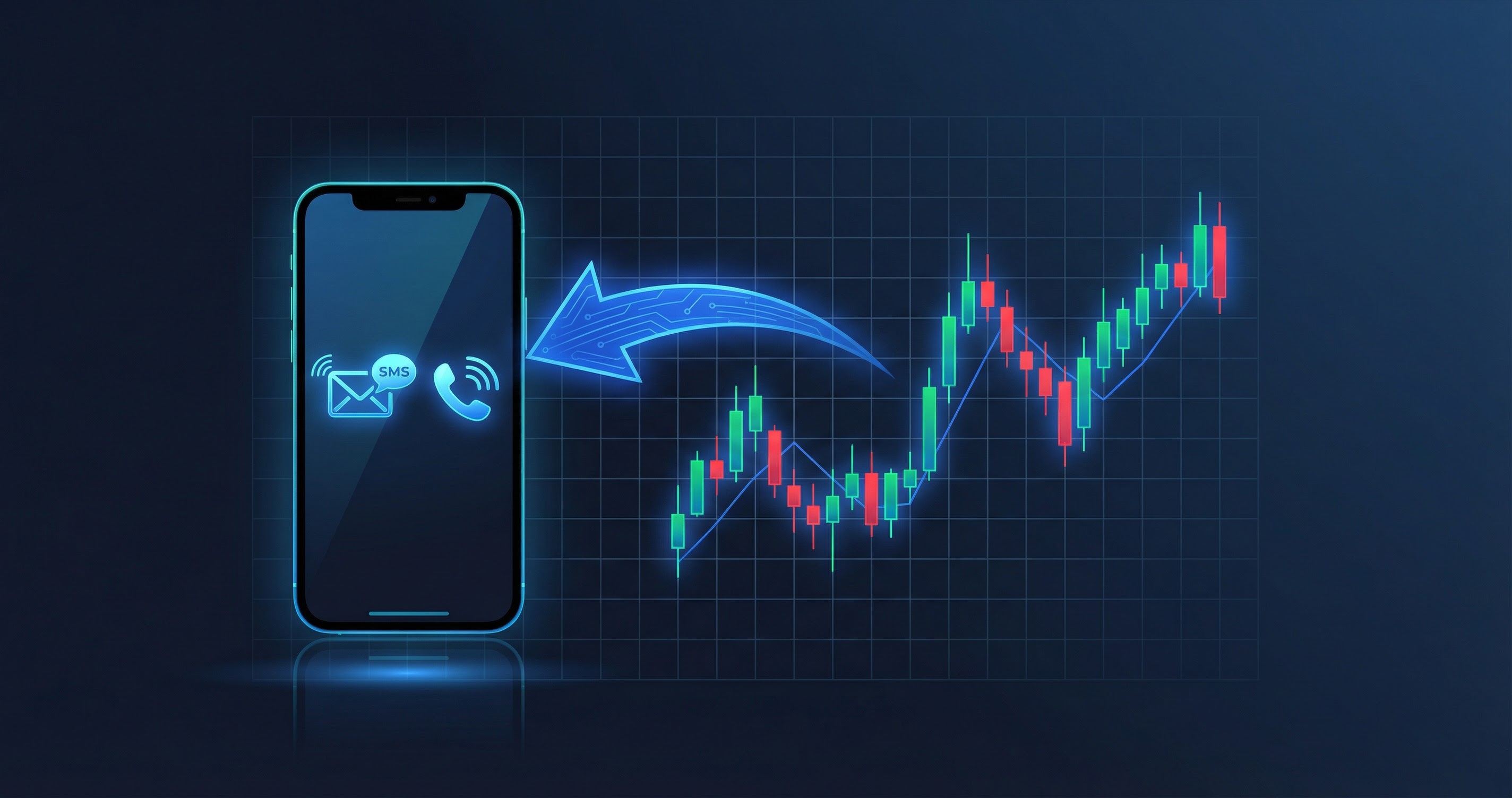
How to Connect TradingView Alerts to SMS, Voice Call & Push Notifications with MonoDuty
Step-by-step guide to sending TradingView webhook alerts as SMS, voice calls, and push notifications using MonoDuty. Never miss a trading signal again.
Escalation Policies That Actually Escalate
Most escalation chains fail in one of three predictable ways. How to design one that survives a sleeping primary, a silent phone and a well-meaning acknowledgement.

Why We Built MonoDuty: A Journey Toward Simplicity
Discover why we created MonoDuty - a modern incident management platform born from frustration with overly complex tools. Learn how simplicity became our core principle.

AI and Duty Management: The Future of Intelligent On-Call Scheduling
Explore how artificial intelligence is revolutionizing on-call scheduling and incident response. Learn about smart routing, predictive staffing, and the future of duty management.

Fair Duty Management: Building Inclusive On-Call Schedules for Global Teams
Learn how to create equitable on-call schedules that respect religious observances, regional holidays, and work-life balance across multi-regional teams. Discover MonoDuty's free duty management features.

From Freelancer to Enterprise: Why MonoDuty Scales With Your Team
Whether you're a solo developer or a Fortune 500 company, discover how MonoDuty adapts to your incident management needs without the complexity. Real use cases from freelancers to enterprises.
Defining Incident Severity Levels Your Team Will Actually Use
Severity scales fail when every incident becomes a high. How to define levels that map to distinct responses, and why four is usually the right number.
Heartbeat Monitoring vs Uptime Monitoring: When to Use Which
Both tell you something is broken, but they point in opposite directions and catch different failures. A practical guide to which one belongs on which part of your system.
Your Health Check Endpoint Is Probably Lying to You
A /health route that always returns 200 will keep your uptime chart green through a total outage. How to build one that actually means something.
The Costs of Monitoring That Do Not Appear on the Invoice
The subscription is usually the smallest line. Configuration decay, alert noise and interrupted nights cost more, and none of them appear in a budget review.
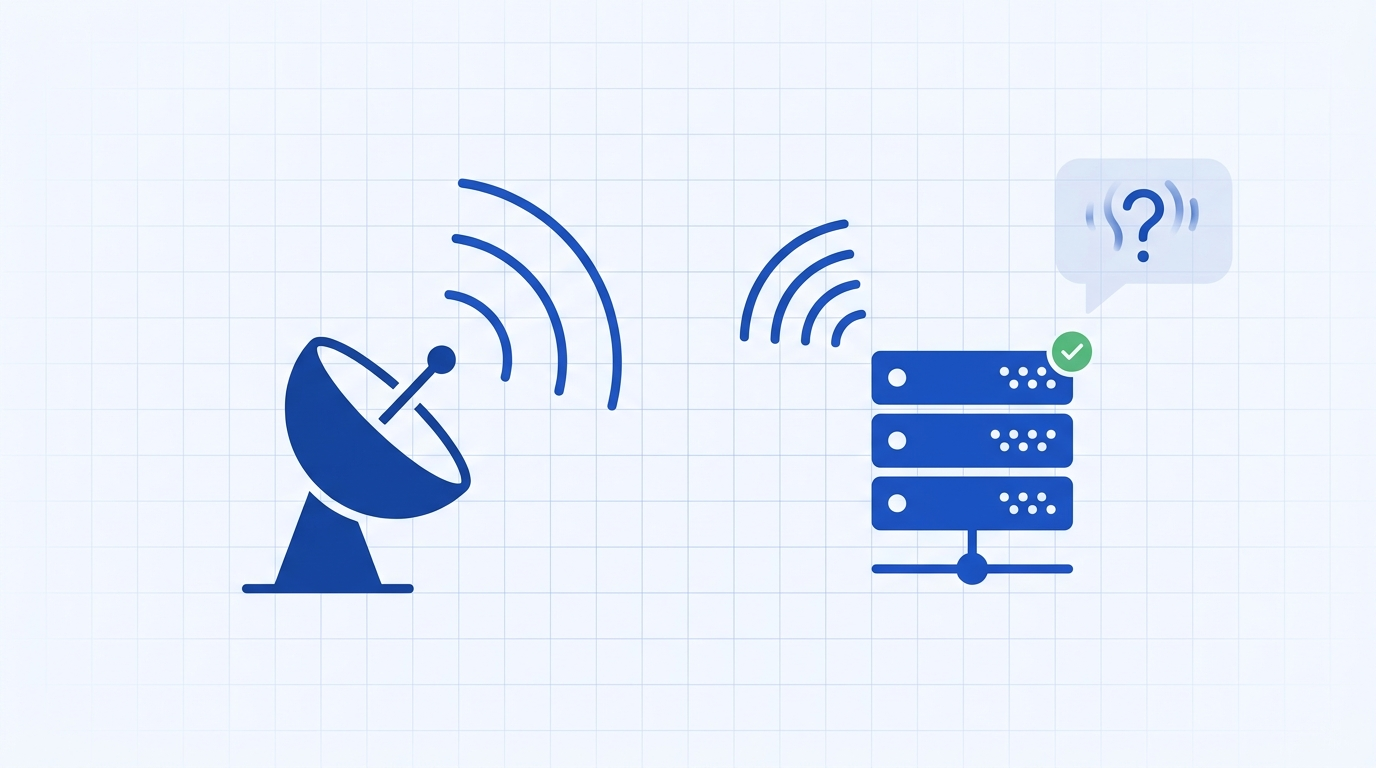
What Is Uptime Monitoring, Really?
A plain explanation of how uptime checks work under the hood, what a check actually proves, and the assumptions that make an uptime number meaningful or meaningless.
Monitoring Kubernetes CronJobs Without Building a Whole Observability Stack
Kubernetes will happily fail to schedule your CronJob and report nothing useful. Here is a lightweight way to know, plus the NAT gotcha that bites clusters at scale.
Monitoring Dependencies You Do Not Control
When your payment provider goes down, your users blame you. How to detect vendor outages before support does, and what to do with the information.
Choosing an Incident Alerting Tool When You Are a Team of Five
Enterprise alerting tools are priced and designed for organisations with an SRE function. What actually matters when there are five of you, and what you can safely ignore.
How to Monitor Database Backups So You Find Out Before You Need Them
A backup job that exits zero is not a backup. Three layers of verification, from "did it run" to "can we actually restore", and where to put the alert.

Why One Outage Generated 400 Alerts (And How Deduplication Fixes It)
Alert storms are not a volume problem, they are a grouping problem. How deduplication works, the different strategies, and what to do when your source has no stable key.
Monitoring a New Service on Launch Day: A Checklist
The monitoring you set up in the first week decides how the first outage goes. A concrete checklist, ordered by what actually protects you.
Routing Grafana Alerts Into an Incident Workflow
Grafana is excellent at deciding something is wrong and deliberately minimal at getting a human to act. Here is how to close that gap without creating an alert storm.
Who Runs the Incident? The Coordinator Role for Small Teams
Incident command frameworks assume a large organisation. The core idea still applies at five people, and it is mostly about separating fixing from communicating.
Opsgenie Is Shutting Down: A Practical Migration Plan
Atlassian is retiring Opsgenie. Here is a migration plan that does not involve a weekend of panic, including what to move first and what to run in parallel.
Building an On-Call Rotation for a Team of Four
Most on-call advice assumes a team of twenty. Here is what actually works when there are four of you and one of them is on holiday.
How to Monitor Cron Jobs Properly (And Why Exit Codes Are Not Enough)
Cron fails quietly by design. Here is why exit codes and log greps miss the most dangerous failure mode, and how heartbeat monitoring catches the job that never ran at all.
Writing a Postmortem People Actually Read
Most postmortems are filed and forgotten. A structure that produces changes rather than documents, and the specific language habits that make blamelessness real.
What 99.9% Uptime Actually Means (And Why Your SLA Might Be Meaningless)
The nines table everyone quotes, what an availability number leaves out, and the four questions that decide whether an uptime figure is information or marketing.
Status Page Best Practices: What to Publish and When
A status page is a communication tool, not a mirror of your monitoring. What to list, when to post, and why the automatic dots matter less than the words you write.
Synthetic Monitoring and Real User Monitoring Do Different Jobs
One tells you whether a known path works right now. The other tells you what your users actually experienced. Neither substitutes for the other.
How Often Should You Check? Choosing a Monitoring Interval That Makes Sense
One minute is not always better than five. How to derive your interval from detection budget, retry behaviour and what the check actually costs your target.
Webhooks vs Polling for Alerting: Choosing the Direction of the Arrow
Push and pull have different failure modes, and the difference decides what you can detect. A practical comparison for anyone wiring monitoring into their own systems.
Acknowledge, Investigate, Resolve: Incident Status Hygiene
Status fields look like bureaucracy until the handover goes wrong. What each state should mean, and the two habits that make the whole thing useful.